​Dear Friend,

The federal government is headed for a shutdown because politicians can't agree on making health coverage affordable for hardworking residents. What's more, if the government shuts down on October 1, the White House Administration has not only instructed federal agencies to make plans for mass layoffs but has implied that the WIC (Women, Infants and Children) program will also shut down.

This is during a time when Connecticut residents are having to grapple with the fallout of the Congressional Republican megabill, HR 1 (aka the One Big Beautiful Bill), passed in July.

In addition to the winding down of the Premium Tax Credit enhancements, which 77% of us believe Congress should renew, another immediate concern of HR 1 is the new work requirements for recipients of the Supplemental Nutrition Assistance Program (SNAP), which began earlier this summer and will expand throughout the year. (More details below.) 

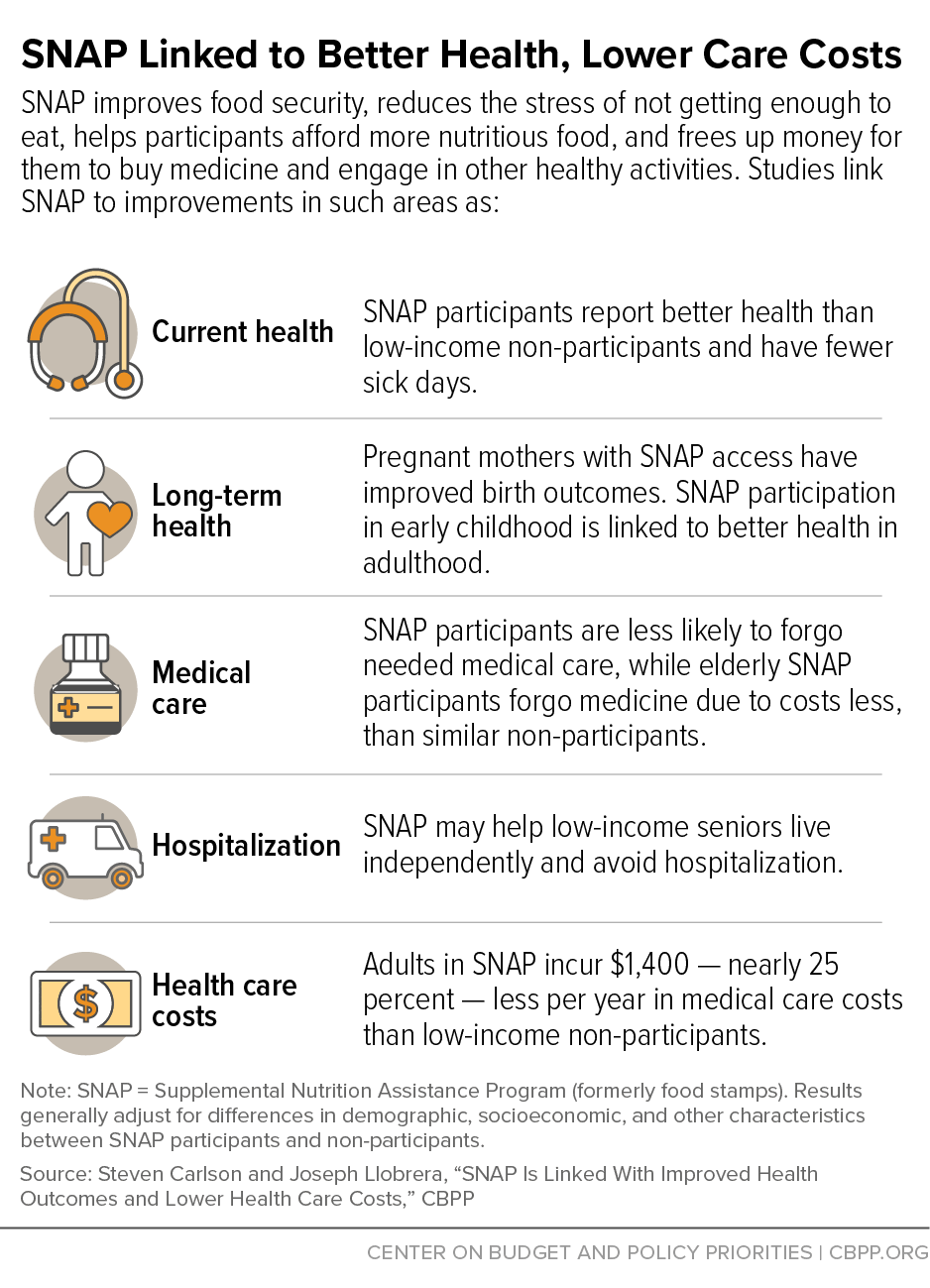
As the cost of food rises the importance of programs like WIC and SNAP increase. Food benefits free up family budgets for other necessities. Red tape, like work requirements, often harm qualified recipients. 

Families shouldn’t pay the price for political gridlock.

The USDA must ensure the WIC program continues without interruption during a shutdown. And, although Connecticut policymakers cannot change federal law nor should it be on the states to right the wrongs of the federal government, we need our state to step up and do everything possible to stand up for Connecticut's children and hardworking people.

New, progressive revenue and changes to the state's fiscal controls can help plug budget holes to maintain or expand important programs and services to help hardworking residents when they need it most. We can ensure Connecticut is a state that's affordable for everyone, not just the privileged or lucky few. But it will take us working together and acting now.

In partnership,
Connecticut Voices for Children


We just celebrated our 30th anniversary!  

For three decades, we've used our research and advocacy to put children and families first in state budget and policy decisions. 

You can help us mark this milestone by honoring our four founding mothers for their vision and dedication to Connecticut's children. Share your memories, words of thanks, and/or what CT Voices means to you. We're putting together a commemorative book to thank our founding mothers. We'd love to include your voice. 

Special thanks to our celebration's supporter-level sponsor Melville Charitable Trust, which works to address the inequitable systems that drive people into homelessness and housing instability.


Highlights From Our 30-Year History:

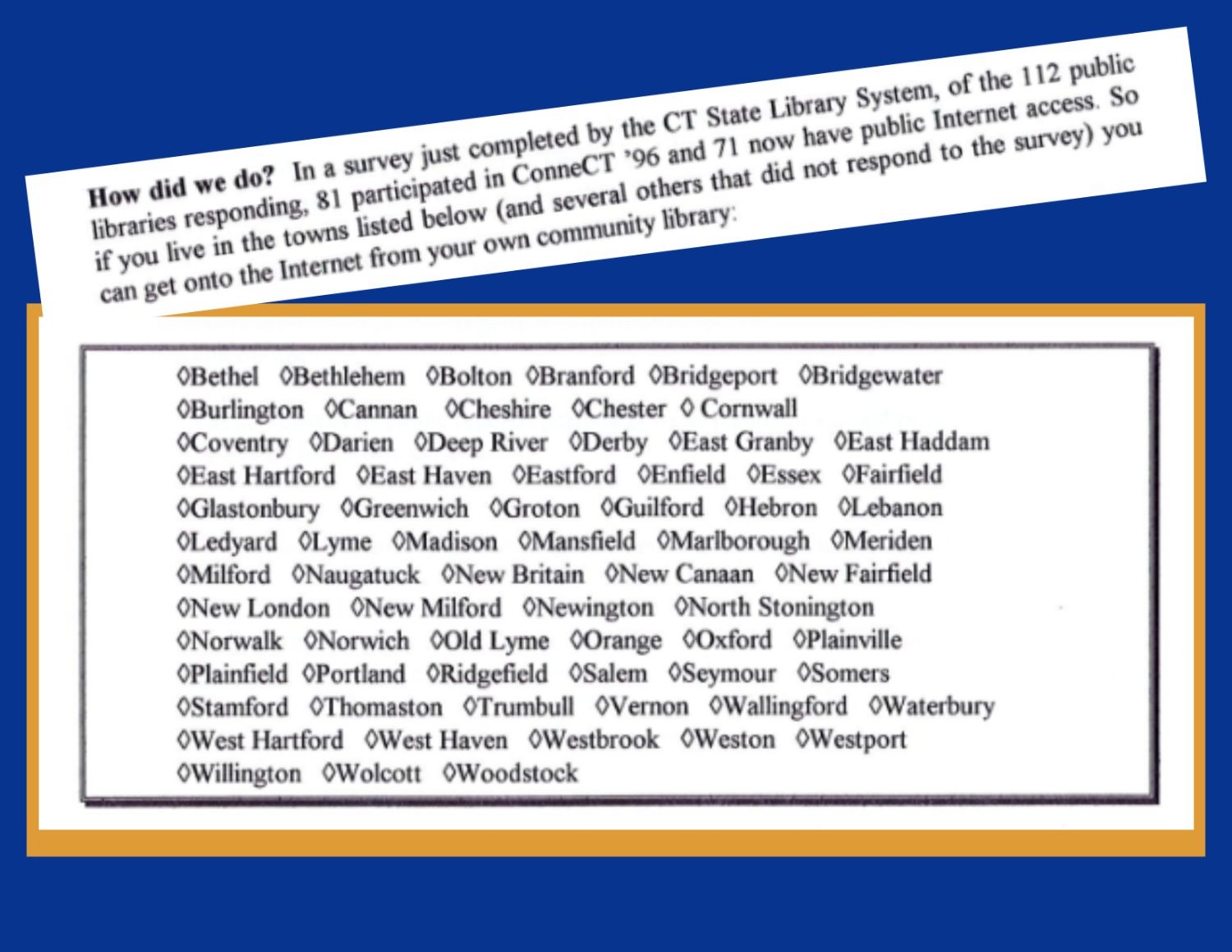
In 1996 we launched ConneCT ’96, under the leadership of (now Congressman) John Larson, recruiting 4,000 Connecticut volunteers to help wire Connecticut’s public schools and libraries for Internet access over an eight-month period. (For context, AOL Instant Messenger launched in 1997!)

If you live in one of the towns below your public library had internet access thanks to ConneCT '96 back in 1997!


DID YOU KNOW?

Supplemental Nutrition Assistance Program (SNAP) changes have started! 

The federal government is likely to shut down on October 1, and this is the same day the household adjustments for maximum allotments (Thrifty Food Plan) will be made. This is all while HR 1 (One Big Beautiful Bill) enforces new rigorous work requirements. Although the State of Connecticut is waiting for federal guidance on how to administer the work requirement rules, residents must be aware that whether or not that guidance comes, SNAP recipients should be collecting documentation that could prove work history now.

To continue receiving SNAP benefits after January 1, 2026, recipients must comply by documenting work history or obtaining an approved exemption.

Upon enactment, on July 4, the requirements for "Able-Bodied Adults" expands to SNAP recipients who are: 

  • Ages 55-65;
  • Parents/caregivers whose youngest child is 14 or older; 
  • Homeless individuals, veterans, and those 24 and younger who aged out of foster care and able to work.

These SNAP recipients must prove they spend at least 80 hours every month (or 20 hours/week) working and/or participating in the SNAP Employment and Training Program

Recipients who don't meet these new work requirements—or can't document that they meet these new work requirements—will only be eligible to receive SNAP benefits for three months over a three-year period.

Research shows that work requirements often have long-term consequences and that many people who lose SNAP are working or should have qualified for an exemption, but the bureaucratic red tape made documenting their employment or proving their exemption too difficult.


Fully Funded Communities: New Britain

Connecticut families are already struggling. With deep federal cuts coming to food assistance, healthcare, and more on the horizon—the stakes are only getting higher.

Fully funding our communities will require raising taxes on Connecticut’s wealthiest residents (who are likely to benefit from new federal tax giveaways) and reforming outdated fiscal controls that limit what our state can invest in. Please join us to learn more, including what we can do about it!

We'll visit New Britain in October and Middletown AND New London in November.

We’ll provide dinner, child care, and translation services. We hope you’ll join us to be part of the conversation.


Connecticut children can't vote and they don't have lobbyists. They have you and Connecticut Voices for Children.

We don't take government money so that we can speak and act freely. That's why we need donors like you to help us meet the moment. YOU can help us protect families and power futures. Donate today to support our work.

Connecticut Voices for Children
33 Whitney Ave  | New Haven, Connecticut 06510
(203) 498-4240 | [email protected]

Follow Us

Having trouble viewing this email? View it in your web browser


Unsubscribe or Manage Your Preferences